How Towner Resolved a Mitel DID Routing Issue Causing Unwanted External Calls
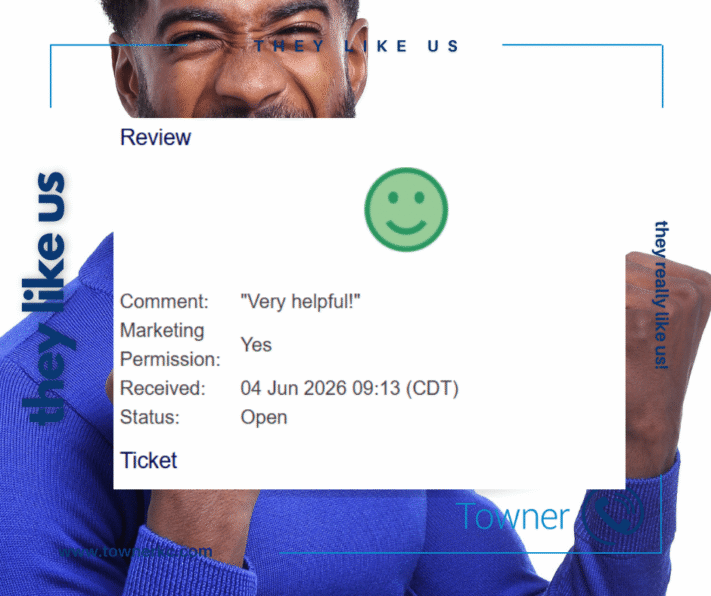
What The Customer Said
“Very helpful!”
How Towner Resolved a Mitel DID Routing Issue
Sometimes the shortest reviews tell the biggest stories.
This review was submitted after Towner helped resolve a Mitel DID routing issue that was allowing unwanted external calls to reach a phone extension. While the customer’s feedback was simple, the support process behind it involved troubleshooting, call routing analysis, configuration changes, and follow-up verification to ensure the issue was fully resolved.
For organizations that rely on business communications every day, even a seemingly small phone issue can create unnecessary disruptions. This customer experience highlights the value of responsive telecommunications support and proactive problem solving.
Key Takeaways From This Customer Review
Customer Challenge
A Mitel phone extension was receiving unwanted external calls, creating disruptions and preventing the extension from functioning as intended.
Root Cause Identified
Towner determined that a Direct Inward Dial (DID) routing configuration was allowing outside callers to reach the extension directly.
Solution Implemented
After reviewing the call routing environment, Towner removed the DID association responsible for the unwanted inbound calls while preserving the extension’s intended functionality.
Business Outcome
The unwanted calls stopped, normal call flow was restored, and daily disruptions were reduced without affecting outbound communication capabilities.
Customer Feedback
“Very helpful!”
Why This Matters
This review highlights how proper Mitel call routing analysis and telecommunications support can quickly identify configuration issues, reduce interruptions, and improve the reliability of business communications systems.
Quick Answer
Quick Answer: What Was the Mitel DID Routing Issue?
A Mitel phone extension was receiving unwanted external calls because a Direct Inward Dial (DID) number was associated with the extension. Towner identified the routing issue, removed the DID association, and restored the intended call flow while preserving outbound calling functionality.
What Is a Mitel DID Routing Issue?
A Direct Inward Dial (DID) number allows external callers to reach a specific phone extension directly without passing through a receptionist, operator, or auto attendant.
This functionality is commonly used in Mitel business phone systems because it provides direct access to employees, departments, and locations.
However, when a DID number is assigned incorrectly, remains active after organizational changes, or is routed to the wrong destination, users may begin receiving calls they were never intended to receive.
This type of problem is commonly referred to as a Mitel DID routing issue.
While the symptoms may appear simple, diagnosing the underlying cause often requires a detailed review of call routing and extension configurations.
Symptoms of a Mitel DID Routing Issue
Many organizations do not immediately realize they are experiencing a routing problem.
Common symptoms include:
- A Mitel extension receiving unexpected outside calls
- External callers reaching the wrong employee
- Business phones ringing without an obvious reason
- Direct dial numbers routing incorrectly
- Users receiving calls intended for another department
- Frequent communication interruptions
- Confusion about how outside callers are reaching a specific extension
Because these symptoms often occur intermittently, organizations may spend significant time troubleshooting before identifying the actual source of the problem.
How to Stop Unwanted External Calls to a Mitel Extension
The correct solution depends on how the communications environment is configured.
In many cases, resolving unwanted external calls involves:
- Reviewing call records
- Identifying active DID assignments
- Verifying call routing configurations
- Confirming how the extension is intended to function
- Adjusting routing rules when necessary
- Testing inbound and outbound calling behavior
- Verifying results with end users
Because every communications environment is different, proper analysis is critical before making configuration changes.
The Story Behind This Customer Review
Every review has a story.
In this case, the customer reported that a phone extension was receiving random external calls that were creating disruptions during normal operations.
The goal was straightforward:
- Maintain outbound calling capabilities
- Prevent unwanted inbound external calls
- Preserve intended communication workflows
- Reduce daily interruptions
At first glance, the issue appeared to be a simple phone problem.
However, telecommunications systems often involve multiple routing paths, direct dial numbers, and configuration rules that influence how calls move throughout an organization. Identifying the source of unexpected inbound calls required a deeper investigation into the routing environment.
How Towner Diagnosed a Mitel Extension Receiving Outside Calls
Effective telecommunications support starts with understanding how calls are reaching a device.
Rather than making assumptions, Towner reviewed available call activity and routing information to determine why the extension was receiving external calls.
The investigation revealed that the extension was associated with a Direct Inward Dial number that allowed outside callers to reach the phone directly.
Before making permanent changes, the support team worked with the customer to confirm the intended behavior of the extension and ensure the solution would align with operational requirements.
This investigative approach helps prevent unintended consequences and ensures the correct issue is resolved.
What Caused the Mitel Extension to Receive External Calls?
The root cause was not a failed phone.
It was not a telecommunications outage.
It was not a system-wide communications failure.
The issue originated from a DID routing configuration that allowed external callers to reach the extension directly.
While the system was technically operating according to its configuration, the configuration no longer aligned with the customer’s communication needs.
This distinction is important because many business phone system issues are actually configuration challenges rather than technology failures.
Accurately identifying the root cause is often the most important step in resolving communications issues permanently.
How Towner Resolved the Mitel DID Routing Issue
Once the source of the problem was confirmed, Towner removed the DID association responsible for directing outside callers to the extension.
This adjustment allowed the customer to:
- Stop unwanted external calls
- Maintain outbound calling functionality
- Preserve intended communication workflows
- Reduce operational disruptions
- Improve the overall user experience
The objective was not simply to stop calls.
The objective was to ensure the extension functioned exactly as intended.
Why Follow-Up Matters in Telecommunications Support
Making a change is only part of the support process.
Verifying the outcome is equally important.
After implementing the routing adjustment, Towner followed up with the customer to confirm testing had been completed and that the issue had been fully resolved.
This approach helps organizations:
- Reduce recurring issues
- Confirm successful outcomes
- Improve operational continuity
- Increase confidence in the solution
- Maintain reliable communications
Responsive follow-up is often what transforms a support interaction into a long-term customer relationship.
What This Review Tells Us About Telecommunications Support
The review itself contains only two words.
The support experience behind those two words included:
- Telecommunications troubleshooting
- Mitel expertise
- Call routing analysis
- DID configuration review
- Customer communication
- Solution verification
- Follow-up support
For many organizations, these factors matter more than the technical adjustment itself.
Reliable telecommunications support is about more than fixing a problem. It is about helping organizations reduce disruption, maintain productivity, and keep business communications functioning as expected.
Which Organizations Experience Mitel DID Routing Issues?
DID routing issues can affect organizations across virtually every industry.
Common examples include:
- Schools and educational institutions
- Healthcare organizations
- Government agencies
- Professional services firms
- Manufacturers
- Customer service teams
- Multi-location businesses
- Organizations with direct dial phone numbers
As communications environments become more complex, visibility into call routing becomes increasingly important.
Need Help Resolving a Mitel DID Routing Issue?
Business phone system issues are not always caused by hardware failures or service outages.
Sometimes the problem exists within call routing and configuration settings that are difficult to identify without experience and visibility into the communications environment.
Whether your organization is dealing with unexpected inbound calls, extension routing concerns, DID management challenges, or broader business communications issues, experienced telecommunications support can help identify the root cause and restore intended functionality.
Towner provides telecommunications solutions, business phone system support, Mitel expertise, unified communications guidance, and business communications support for organizations across Kansas, Missouri, and the broader Midwest.
Expert Insight
Unexpected external calls are often caused by call routing configurations rather than hardware failures. Reviewing DID assignments, call paths, and extension settings can help identify the root cause before making changes that affect other users.
Related Mitel Phone System Issues
Organizations experiencing a Mitel DID routing issue may also encounter:
- Mitel call routing problems
- Direct dial number conflicts
- Incorrect extension assignments
- Call forwarding configuration errors
- Voicemail routing issues
- Business phone system administration challenges
- Unified communications routing concerns
Supporting Business Communications Across the Midwest and Nationwide
From schools and local governments to healthcare providers and growing businesses, organizations across Kansas, Missouri, Wisconsin, Minnesota, the broader Midwest, and nationwide depend on reliable communications systems. When routing issues impact productivity, experienced telecommunications support can help restore functionality and reduce disruption.
Frequently Asked Questions About Mitel DID Routing Issues
Why is my Mitel extension receiving unwanted external calls?
A Mitel extension may receive unwanted external calls when a Direct Inward Dial (DID) number is assigned to the extension or when call routing rules allow outside callers to reach that device directly. Reviewing DID assignments, call routing configurations, and extension settings can help identify the source of the issue.
Can a Mitel phone extension make outbound calls without receiving inbound external calls?
Yes. Mitel business phone systems can often be configured so an extension retains outbound calling capabilities while restricting or preventing inbound external calls. The exact configuration depends on the organization’s communications requirements and call routing policies.
How do I troubleshoot a Mitel extension receiving outside calls?
Troubleshooting typically begins by reviewing call records, verifying DID assignments, examining call routing paths, and confirming how the extension is intended to function. Understanding how external callers are reaching the extension is essential before making configuration changes.
How do businesses prevent unwanted external calls to Mitel extensions?
Organizations can reduce the risk of unwanted external calls by regularly reviewing DID assignments, documenting call routing changes, auditing extension configurations, and working with experienced telecommunications professionals to validate communications workflows.
Can call routing issues impact productivity?
Yes. Even a single extension receiving unexpected calls can create ongoing interruptions, reduce employee productivity, and create confusion for both staff and callers. Proper call routing helps ensure communication flows to the intended destination and supports a better user experience.
What are the most common Mitel phone system issues businesses experience?
Organizations frequently seek assistance with DID routing issues, unexpected external calls, call forwarding problems, voicemail routing concerns, extension configuration issues, number porting challenges, user administration, and broader business communications troubleshooting.
What is a DID number in a Mitel phone system?
A Direct Inward Dial (DID) number is a phone number that allows external callers to reach a specific extension without going through a receptionist, operator, or auto attendant. DID numbers are commonly used in Mitel business phone systems to provide direct access to employees, departments, and locations.
What causes Mitel DID routing issues?
Mitel DID routing issues are commonly caused by incorrect DID assignments, outdated routing configurations, user moves, system changes, administrative updates, or call flow adjustments that no longer align with operational requirements. In many cases, the issue is configuration-related rather than a hardware or service failure.
What is the difference between a DID routing issue and a phone system failure?
A DID routing issue is a configuration problem that affects how calls are delivered to an extension. A phone system failure typically involves hardware, software, carrier connectivity, or service outages. While the symptoms may appear similar to end users, the root causes and solutions are often very different.
Which organizations are most likely to experience DID routing problems?
DID routing issues can affect schools, healthcare providers, local governments, manufacturers, professional services firms, customer service teams, and multi-location organizations. Any business using direct dial numbers and business phone systems can experience routing challenges if configurations are not properly maintained.
Does Towner provide Mitel support and telecommunications troubleshooting?
Yes. Towner provides Mitel support, business phone system troubleshooting, telecommunications consulting, unified communications guidance, call routing assistance, and business communications support for organizations across Kansas, Missouri, Wisconsin, Minnesota, the Midwest, and throughout the United States.
When should a business contact a telecommunications support provider?
Organizations should seek support whenever unexpected call behavior, routing issues, communication disruptions, extension problems, or configuration concerns begin affecting daily operations. Early diagnosis often helps prevent larger communication challenges and reduces operational disruption.