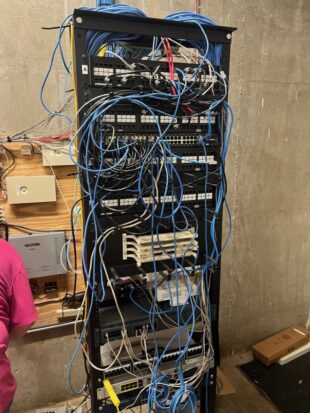
Structured Cabling Explained: What It Is, How It Works, and Why It Matters

Most network problems do not start with software.
They start above the ceiling, behind walls, and inside cable pathways that fail to support modern business operations.
This infrastructure forms the physical foundation for business communications. It supports data, voice, wireless, video, and security systems.
When teams plan it correctly, technology scales smoothly. When they do not, performance issues, downtime, and costly rework follow.
This guide explains what structured cabling is, how it works, and why it matters for long-term business infrastructure.
What Is Structured Cabling?
It supports data, voice, video, wireless, and security systems across a single framework.
Unlike ad hoc wiring, this network cabling system follows industry standards. These standards support consistent performance and long-term scalability.
Instead of installing separate cables for each application, structured cabling creates a unified backbone that supports multiple systems.


Structured Cabling vs. Traditional Cabling
Teams often install traditional cabling reactively. They add cables only when new devices or systems appear.
Over time, this approach creates disorganized pathways. It also causes inconsistent performance and limited scalability.
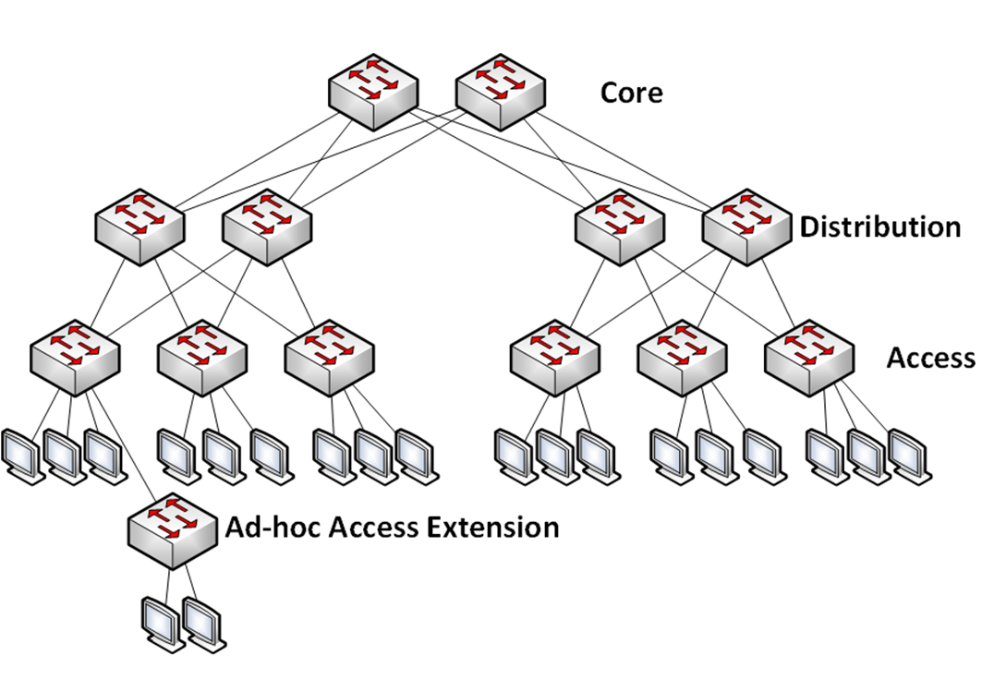
Structured cabling uses a hierarchical design with clearly defined connection points and pathways.
This design supports future growth without disrupting existing systems.
The difference goes beyond organization. It provides long-term infrastructure stability.
How Network Cabling Fits Into Low Voltage Infrastructure
Low voltage cabling refers to wiring used for data networks, voice systems, security cameras, access control, and audiovisual technology.
The cabling infrastructure is a standards-based subset of low voltage cabling. This approach supports scalable business communications instead of isolated systems.
While many low voltage installations meet immediate needs, this infrastructure supports long-term performance, consistency, and flexibility.
Structured Cabling Standards and Why They Matter
Structured cabling systems rely on internationally recognized standards. These standards ensure interoperability, performance, and long-term reliability.
Standard
ANSI/TIA-568
ISO/IEC 11801
BICSI Guidelines
Purpose
Defines cabling performance, topology, testing
Establishes international generic
Defines best practices for design, installation, and documentation
Why Network Cabling Matters for Modern Businesses
Modern business environments rely on more than basic connectivity. This infrastructure impacts several critical systems.
-
Network performance and reliability
-
Voice and unified communications quality
-
Wireless coverage and scalability
-
Video conferencing and collaboration tools
-
Security systems and monitoring infrastructure
Because this cabling supports these systems, organizations should treat it as long-term infrastructure. It should not serve as a short-term installation decision.
What Happens When Cabling Is Planned Incorrectly
Poor planning often causes long-term infrastructure problems. Treating cabling as an afterthought creates avoidable operational issues.
Businesses commonly experience the following problems:
-
Inconsistent wireless coverage and network congestion
-
Dropped calls and VoIP performance issues
-
Difficulty adding access points or new devices
-
Costly re-cabling during renovations or expansions
-
Uneven performance across workspaces
In many cases, the system still functions. However, it limits flexibility, slows growth, and increases long-term costs.
What We See in the Field and Why It Matters
Many infrastructure problems come from short-term planning. They do not result from outdated technology.
Teams often build systems only for day-one needs. As businesses grow, these systems struggle to support new devices and layouts.
Fixing these limitations later costs more than planning for scalability. For this reason, organizations should treat cabling as infrastructure, not just wiring.
How Structured Cabling Is Organized (Visual Overview)
This infrastructure follows a layered, hierarchical design. Each layer serves a specific role within the network.
-
Entrance Facility – External service provider connections enter the building
-
Equipment Room – Centralized network equipment supports core distribution
-
Backbone Cabling – High-capacity connections link major distribution points
-
Telecommunications Rooms – Floor-level distribution and patching occur here
-
Horizontal Cabling – Cabling runs from telecom rooms to work areas
-
Work Area Devices – Phones, computers, access points, cameras, and endpoints connect here
This structure allows systems to scale and change without requiring a full infrastructure rebuild.

Special Considerations: Exposed and Open Ceiling Environments
Open and exposed ceilings introduce unique design considerations. These include aesthetics, cable routing, accessibility, and long-term flexibility.
In these environments, structured cabling must balance performance with visual impact and future adaptability.
Poor planning creates visible clutter, limits expansion options, and leads to unnecessary rework.
For a deeper look, explore our guide on exposed ceiling cabling environments.
How to Evaluate Your Current Cabling Environment
If you are unsure whether your infrastructure supports your business, consider the following questions:
-
Did teams design the system with future growth in mind?
-
Do teams clearly label and document cables?
-
Can teams add new devices or access points without disruption?
-
Does performance drop during peak usage?
-
Do teams keep cabling pathways organized and accessible?
If you answer “no” or “not sure” to several questions, your infrastructure may limit performance or scalability.
When Structured Cabling Is the Right Choice
This approach works best in specific scenarios. Businesses often choose it when the following conditions apply:
-
A business expects growth or future reconfiguration
-
Multiple low voltage systems need to coexist
-
Long-term performance consistency matters
-
Teams plan technology upgrades over time
In these scenarios, this infrastructure reduces operational friction and supports sustainable planning.
Structured Cabling Questions Businesses Ask Most
Key Takeaways
This infrastructure forms the backbone of modern business communications. Intentional design supports reliable performance, smoother growth, and easier technology changes.
Understanding this approach helps organizations make informed, long-term decisions about their communications infrastructure.
To learn more, explore Towner’s structured cabling services, review our structured cabling installation approach, or learn about exposed ceiling cabling environments.
Written by Towner — Telecommunications Infrastructure Specialists
With decades of experience designing and supporting business communications environments across voice, data, wireless, and collaboration platforms.